
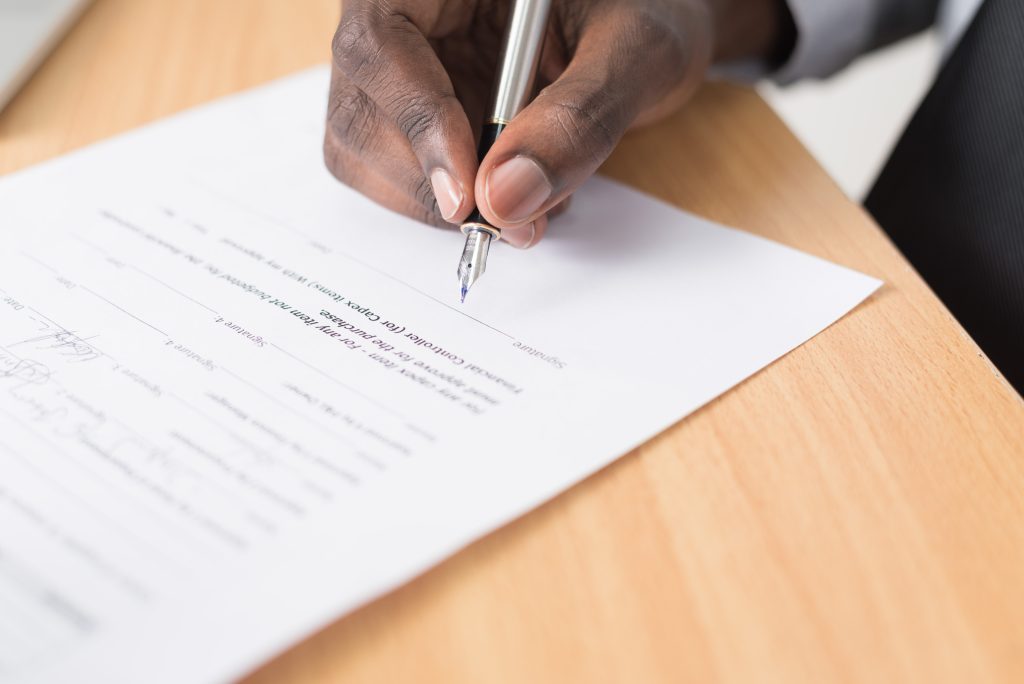
When it comes to CCJ debt recovery, many business owners assume that obtaining a County Court Judgment means they’ll finally receive the money they’re owed. Unfortunately, a judgment doesn’t automatically guarantee payment.
A CCJ confirms a legal obligation to pay, but it doesn’t guarantee that the money will actually be recovered.
If the debtor doesn’t pay voluntarily, you may need to consider enforcement action. And that can involve additional time, costs and uncertainty.
Getting a Judgment Is Only Part of the Process
Before taking court action to recover an outstanding debt, it’s worth considering what happens if the debtor still refuses or is unable to pay.
Depending on the circumstances, enforcement options may be available. However, their suitability and effectiveness will depend on factors such as the debtor’s financial position, available assets and the nature of the debt.
This is why I always encourage business owners to consider the commercial reality of recovering a debt, rather than focusing solely on obtaining a judgment.
Four Questions Worth Asking
Before committing more time and money to debt recovery, ask yourself:
1. How much time and energy can you realistically invest?
Recovering an outstanding debt can take time, particularly if the debtor is unresponsive or their financial circumstances are complicated.
2. How much are you prepared to spend?
Court proceedings and enforcement can involve additional costs. It’s important to consider whether those costs are proportionate to the amount you’re trying to recover.
3. Is the debt genuinely disputed?
If the customer disputes the amount owed or raises concerns about the goods or services supplied, the situation may require a different approach.
4. Is there a realistic prospect of recovery?
Even if you have a strong legal claim, the debtor may not have sufficient money or assets to satisfy the judgment.
Sometimes, pursuing a debt without considering the likelihood of recovery can mean spending good money after bad.
A Commercial Approach to Debt Recovery
This doesn’t mean businesses should simply walk away from unpaid invoices.
It means understanding the available options and making informed decisions about which approach is commercially sensible.
Depending on the circumstances, negotiating a repayment arrangement, resolving a dispute or exploring formal recovery options may be more appropriate.
At Talk to Ron, I help businesses assess outstanding debts and consider practical ways to recover what they’re owed.
Let’s Talk Before You Spend More
If you’re considering court action or have already obtained a CCJ but haven’t received payment, it may be worth reviewing your options before committing to further costs.
Get in touch with Talk to Ron for a no-obligation conversation about your outstanding debt and the potential next steps.